
Skip to content
Basement Water Problem Signs

NEW JERSEY BASEMENT WATER PROBLEM SIGNS & SYMPTOMS

Basement Water Issues Near You to Watch Out For

Basement moisture is more common than you might think—according to the American Society of Home Inspectors (ASHI), roughly 60% of home basements deal with dampness, leaks, or flooding at some point.

In New Jersey, with our humid subtropical climate, heavy rain, snowmelt, and high water tables, local basements are put to the test even more. That’s why spotting the early signs of basement water damage is crucial.

When you know how to tell if your basement has a water problem, you can catch issues earlier, sparing your basement and foundation from further damage, while avoiding bigger (wetter) headaches down the line.

Blue Umbrella’s New Jersey basement waterproofing experts near you have the skills and experience to pinpoint exactly what’s causing moisture issues in your Central or North Jersey basement. From leaks and flooding to damp walls and musty smells, our waterproofing specialists near you tackle leaks and dampness at their source.

Prevention is Better than Repairing

We offer a free inspection of your home to leave you with peace of mind!

Table of Contents
    Add a header to begin generating the table of contents

    Common Basement Water Damage Signs

    There isn’t just one single reason basements get wet. Poor drainage, cracks in walls or floors, plumbing leaks, and hydrostatic pressure from saturated soil around a home’s foundation are all reasons why water can (and does) creep in. On top of that, clogged gutters, sloped yards, or outdated construction materials in older homes can worsen an existing issue.

    So, what’s a homeowner with a leaky basement to do? 

    Be on the lookout for the red flags that your New Jersey basement is taking on water. Remember: it’s far worse to ignore musty basement smells, growing puddles, or walls that feel damp or soft to the touch.

    New Jersey Basement Standing Water

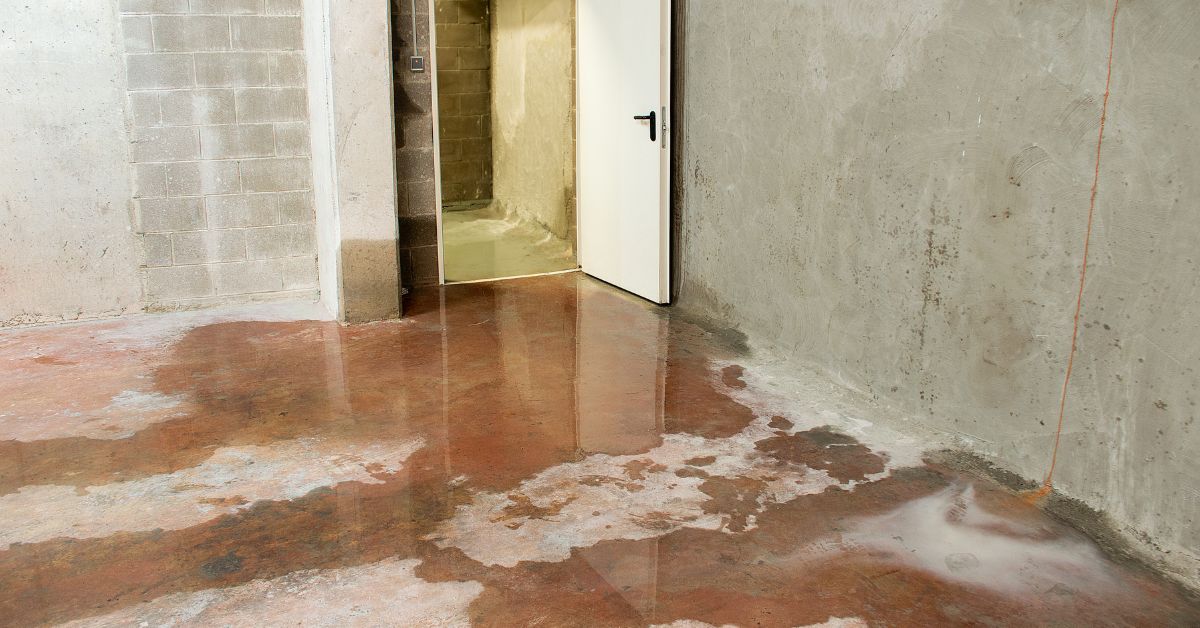
    Standing Basement Water

    We’ll start with one of the more obvious signs! Standing water in your basement means something has gone wrong… very wrong. 

    Pooled water means moisture is actively entering the space, and the longer it lingers, the more likely it is to cause damage to your floors, walls, and anything stored nearby.

    Standing water can come from a number of sources: seepage through your basement floor, leaking wall cracks, overflowing gutters and downspouts, landscape grading, or even a naturally high water table overwhelming your home’s drainage system. Whatever the cause, it’s important to identify the source quickly.

    MORE ABOUT STANDING BASEMENT WATER >

    New Jersey Basement Musty Smells

    Damp Air & Musty Smells

    If your basement feels humid or has that lingering “forgotten gym bag” odor, trapped moisture is usually the culprit.

    High basement humidity levels can come from small wall cracks, leaky windows, poor ventilation, or a sump pump that isn’t keeping up. 

    A dehumidifier can help keep humidity in the “what’s normal” range. Pair it with a reliable sump pump (and a backup sump pump for outages) for a one-two punch to keep your basement air dry and fresh.

    MORE ABOUT DAMP AIR & MUSTY BASEMENT SMELLS >

    New Jersey Basement Wet Basement Carpet

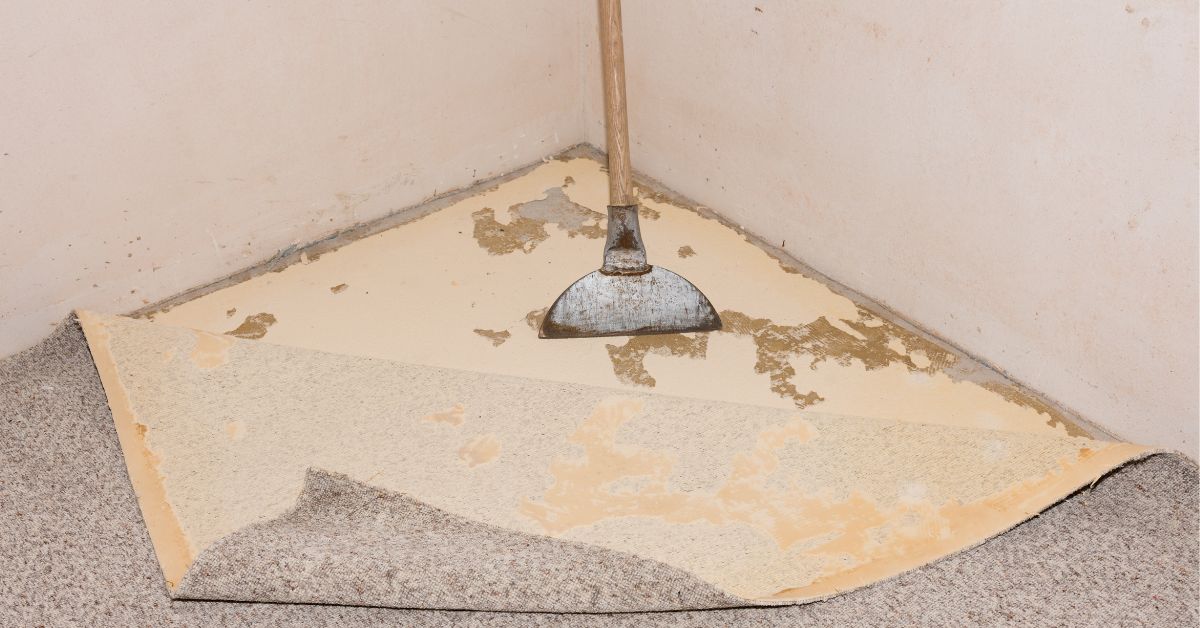
    Wet Basement Carpet

    Whether your New Jersey basement is finished or not, carpet is often one of the first spots water hides.

    Even a minor leak can leave yellowish-brown stains, soft damp areas, or that unmistakable musty smell. Carpet and padding hold moisture easily, so don’t ignore soggy patches.

    Wet carpet creates prime conditions for mold and mildew, and damage can spread to the subfloor if left too long. The best way to dry wet basement carpet depends on how much water is trapped, but acting swiftly always pays off.

    New Jersey Basement Mold and Mildew

    Mold & Mildew

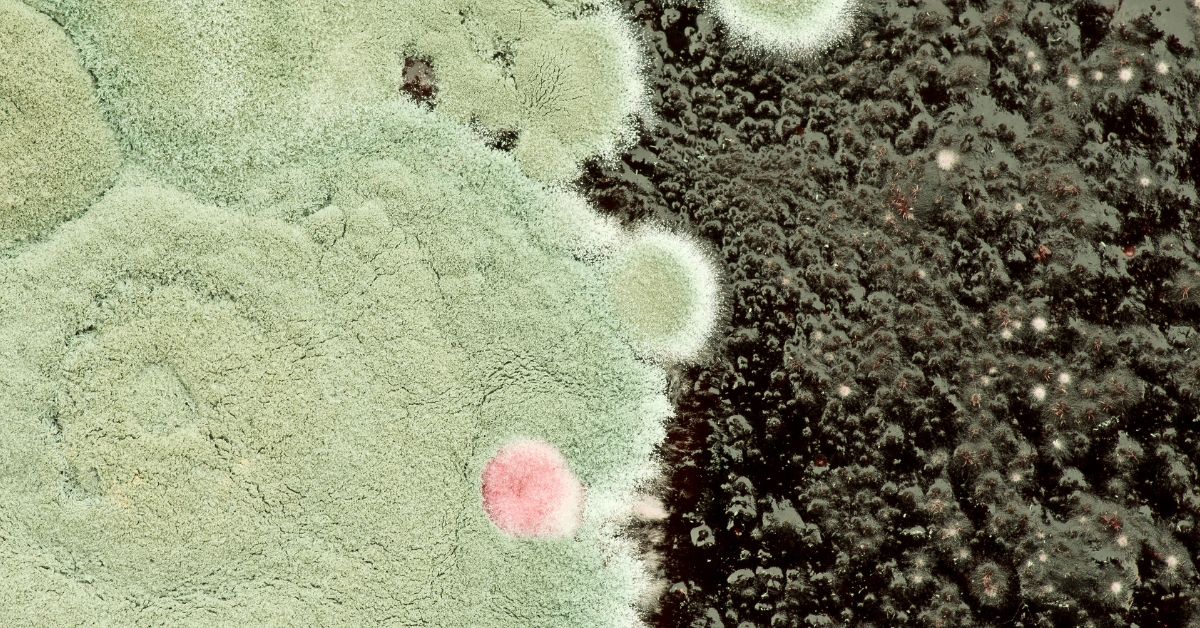
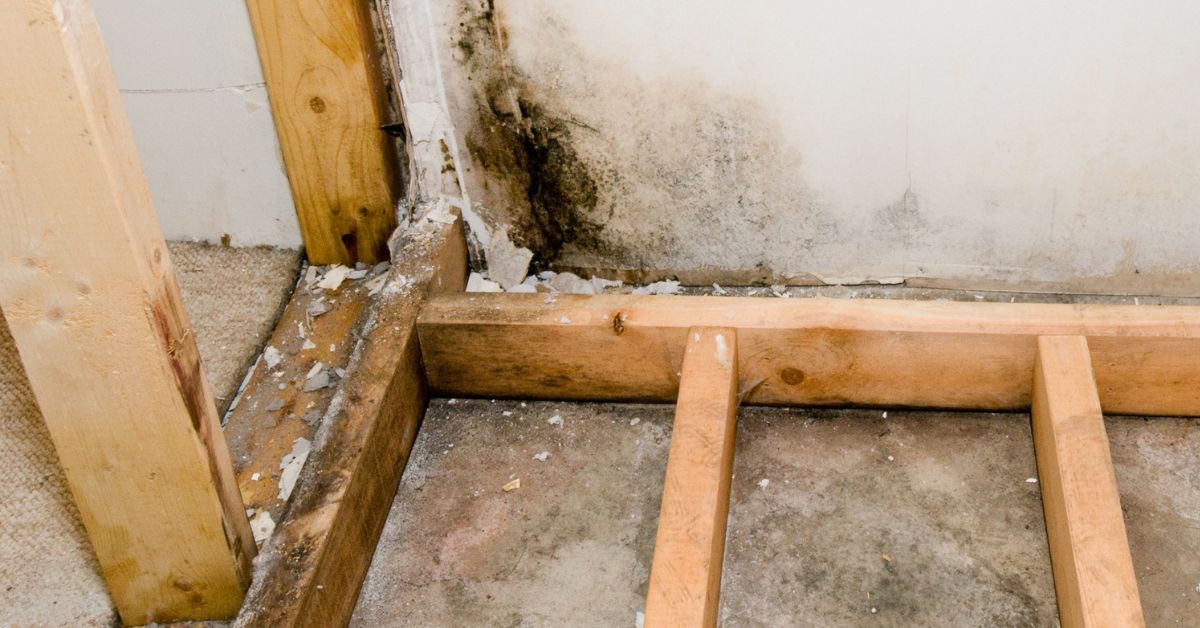
    Finding mold and mildew in your basement is a sure sign that moisture has been hanging around longer than it should. In New Jersey’s humid climate, it’s not uncommon to spot dark or fuzzy patches of Aspergillus, Cladosporium, or even Stachybotrys (black mold) on walls, floors, or stored items.

    Beyond being unpleasant, mold can trigger allergies, worsen asthma, and cause throat or sinus irritation. And if you’re wondering, “does mold mean I need basement waterproofing?”—in most cases, yes. Mold and mildew in your basement almost always signal a moisture problem needing attention.

    MORE ABOUT BASEMENT MOLD & MILDEW >

    New Jersey Basement Wood Rot

    Basement Wood Rot

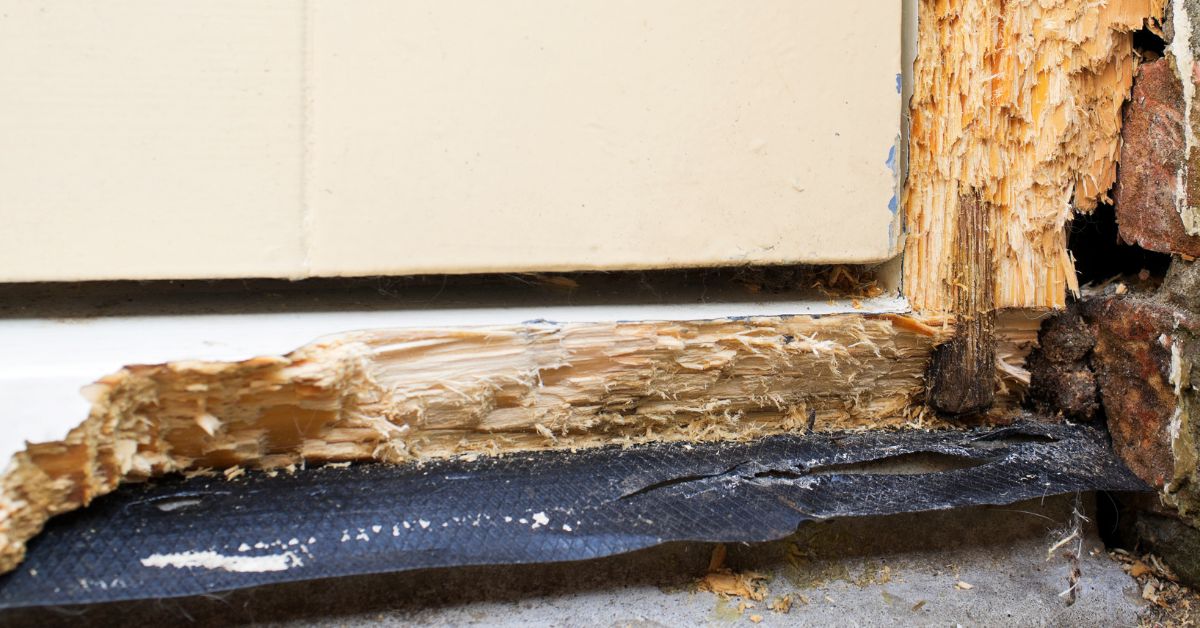
    If you spot soft, spongy, or crumbling wood in your basement, it often points to chronic moisture… and potentially serious trouble. 

    Wood rot in a basement can show up in support posts, stairs, sill plates, or even old furniture that’s been stored a bit too long. When water vapor or condensation sits on wood (including ceiling joists), decay can spread quietly over time. Left unchecked, it can weaken key structural areas and even attract pests like termites and ants.

    MORE ABOUT BASEMENT MOLD & MILDEW >

    Bugs in the basement in New Jersey

    Bugs in Basement

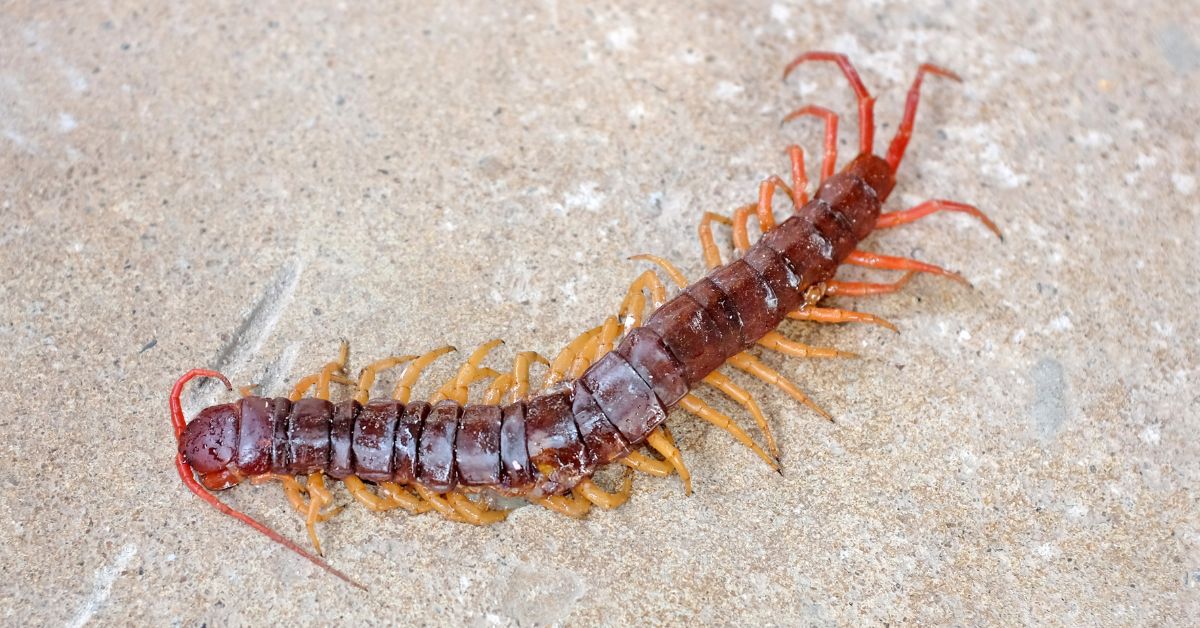
    Nothing makes you shiver quite like tiny legs skittering across damp walls.

    Silverfish, centipedes, and millipedes love hanging out in basements where humidity is high or water sneaks in. Spotting these unwelcome visitors usually means it’s time to tackle a moisture problem. Installing proper waterproofing, a sump pump, or a basement dehumidifier can keep the air properly balanced and make your New Jersey home less appealing to creepy crawlies.

    MORE ABOUT BASEMENT BUGS >

    New Jersey Basement Wet Basement Drywall

    Wet Basement Drywall

    This one is easy to spot: If your drywall looks bubbled, stained, or soft, that’s a big clue that moisture has made its way in.

    Finished basements are especially vulnerable to this issue because wood framing, trim, and drywall soak up water like a sponge. Once moisture gets behind the wall, it can quickly lead to sagging panels, peeling paint, and hidden mold growth. If you spot damp patches or discoloration, it usually means your basement’s finishings are paying the price.

    New Jersey Basement Sinking and Uneven Floors

    Sinking or Uneven Floors

    A sinking or uneven basement floor usually means the soil beneath your foundation has shifted, washed out, or compacted after heavy rain. When the ground becomes water-logged, it can create empty pockets that allow the concrete to settle.

    Watch for warning signs like a gap where the floor meets the wall, cracks in the concrete, or support posts no longer sitting flush against the ceiling. If your basement is finished, you may need to pull back flooring to check the slab. Regardless, any noticeable sinking should be checked out by a New Jersey foundation expert near you.

    New Jersey Basement Flooding

    Basement Flooding

    Basement flooding after rain is one of the most serious issues a homeowner can face. Once water starts collecting on the floor, it can ruin drywall, flooring, and stored items.

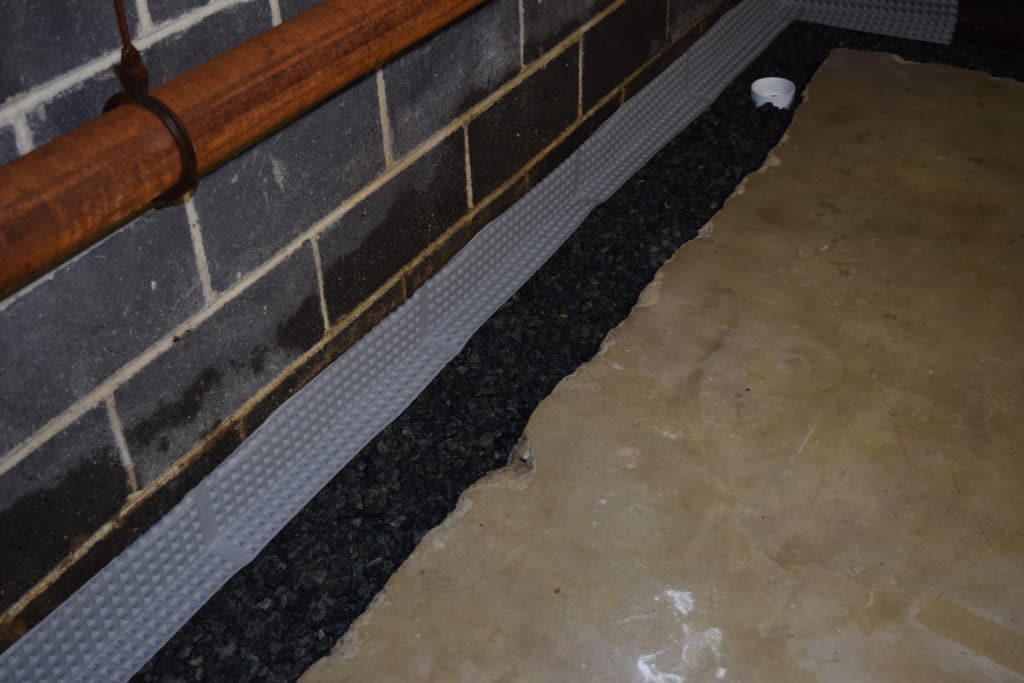
    In New Jersey, flooding is especially common in shoreline communities and low-lying or marshland areas, where groundwater rises quickly during storms. While a basement wall crack leaking water or poor yard drainage can trigger floods, installing an interior French drain or complete interior drain system helps channel water away during heavy rain—an effective alternative when comparing French drain vs exterior waterproofing.

    New Jersey Basement Efflorescence

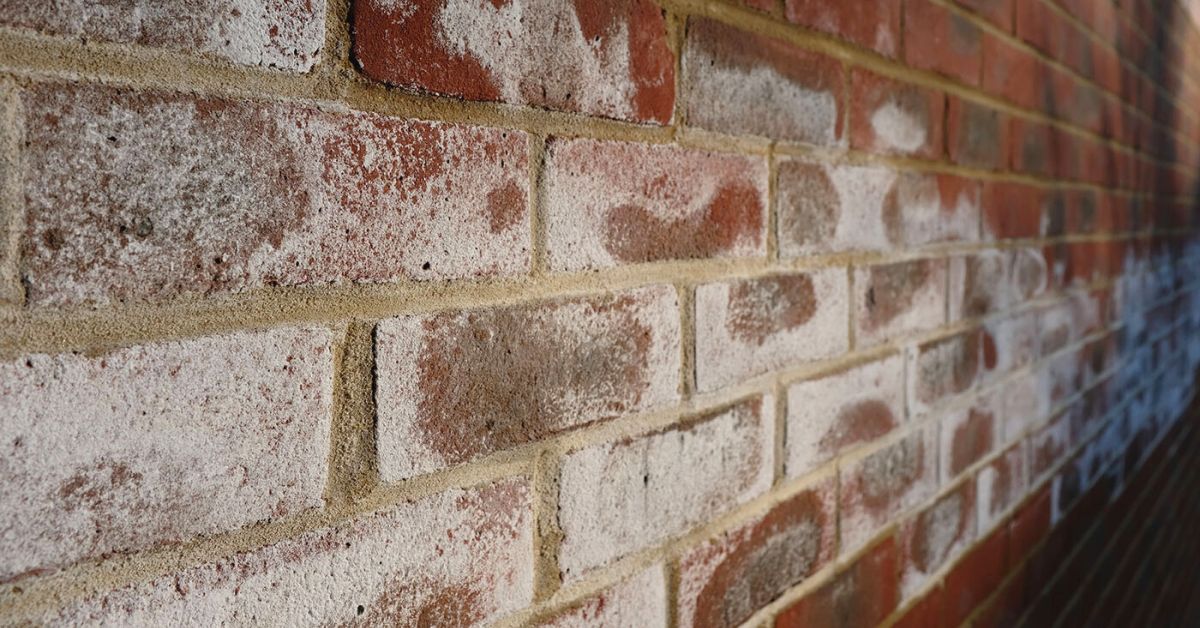
    Efflorescence

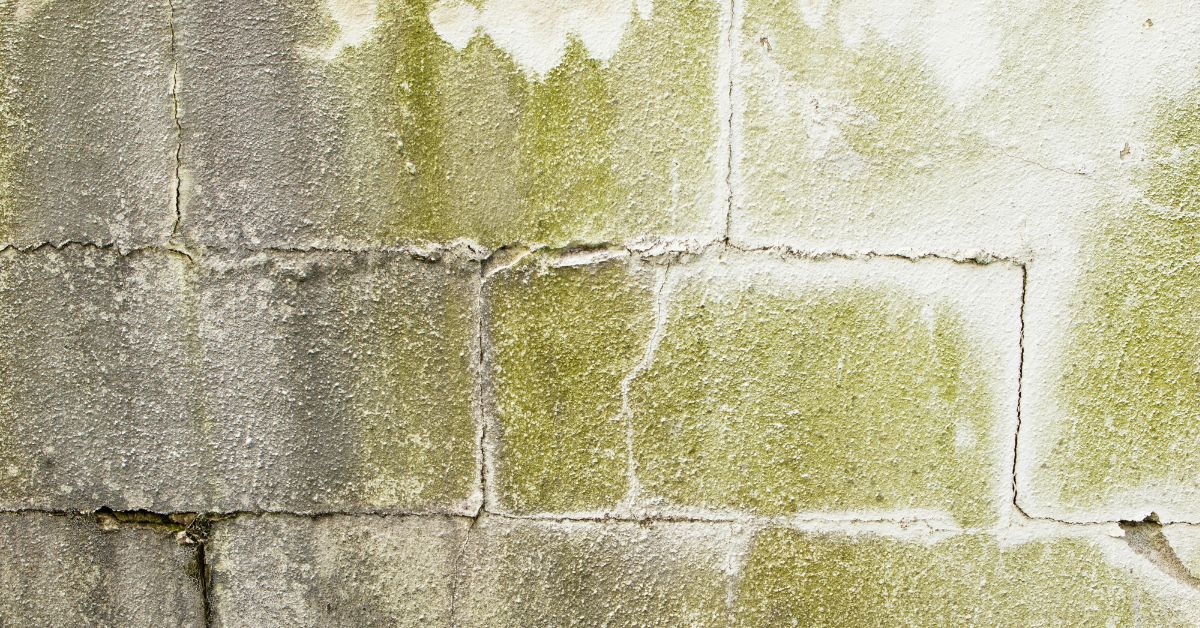
    Efflorescence is that chalky, powdery, salt-like film you sometimes see on basement walls or floors. It shows up when water seeps through the concrete and leaves mineral deposits behind.

    Efflorescence in a basement is a pretty reliable indicator that moisture is getting in. While it’s not harmful by itself, it usually points to a bigger issue. If you’ve been wondering, is efflorescence a sign of water intrusion? The answer is almost always yes, and it’s worth checking for the source.

    New Jersey Basement Paint Flaking & Peeling

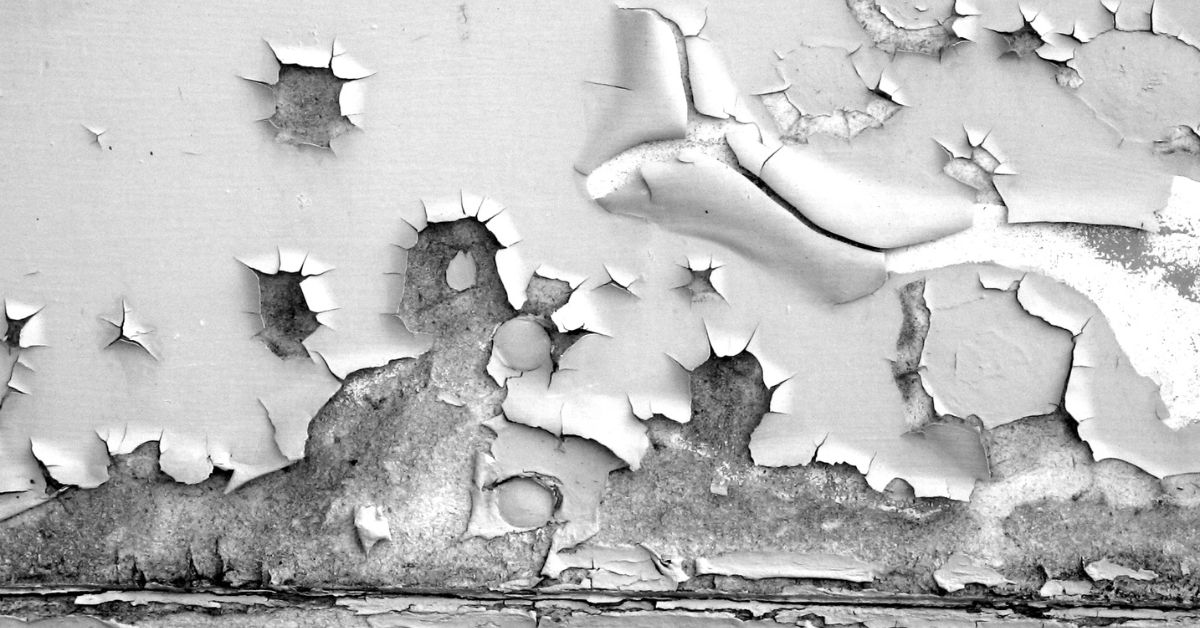
    Flaking or Peeling Paint

    Peeling or flaking paint in a basement is more than just an eyesore; it’s a warning that water is finding a way in.

    Water getting into your New Jersey basement—whether from heavy rain, snowmelt, or groundwater—can make paint lose its adhesion and start to bubble, crack, or peel. Poorly directed gutters, downspouts, or sloped landscaping can worsen the problem, as can leaking or sweating pipes. Don’t forget: where there’s trapped moisture, mold and mildew can quickly follow.

    New Jersey Basement Wall Cracks

    Wall Cracks or Crumbling

    Seeing cracks in your basement walls can be unsettling, and they’re often caused by something called hydrostatic pressure. Simply put, hydrostatic pressure happens when water in the soil around your foundation builds up and pushes against your walls like an invisible hand. If the walls aren’t built to handle that force, cracks can form, sometimes letting water in. 

    A basement wall crack leaking water is more than cosmetic. Cracks or crumbling foundation walls are red flags for trapped water

    Your New Jersey Basement Waterproofing Professionals

    Ignoring basement water damage is like leaving a tiny crack in a dam—it seems small, but the whole thing can fail fast. Blue Umbrella Waterproofing has decades of experience stopping leaks, floods, and water damage to keep your New Jersey basement dry —right here near you.

    Homeowners choose Blue Umbrella for basement waterproofing in New Jersey because of our:

    • 350+ Google 5-Star reviews
    • Honest, no-pressure pricing
    • Fully licensed & insured waterproofing professionals
    • Lifetime warranties

    Schedule a Free Basement Waterproofing Estimate Today

    Take the first step toward a drier, safer home. From full basement waterproofing to basement leak repair, we’re who to call for basement waterproofing in New Jersey.

    Schedule your free estimate

    with New Jersey’s trusted, local basement waterproofing company near you today!

    Subscribe to our newsletter for the latest tips, tools & news!

    Scroll To Top
    Google Rating
    5.0
    Based on 400+ reviews