

Wet Basement Carpet: Prevention & Repair
Near You in New Jersey
Fixing Underying Basement Carpet Moisture Issues in NJ
Basements in both residential and commercial buildings sit below ground level, which means they are in constant contact with surrounding soil and groundwater. Over time, even minor weaknesses in the foundation or drainage system can allow moisture to move inside.
When that moisture finds a path into your New Jersey property, it often first appears as wet or damp basement carpet. This problem affects property owners nationwide, but in New Jersey, frequent rainfall, dense clay soil, and high water tables make wet carpet in basement areas far more common. Blue Umbrella Waterproofing has helped hundreds of NJ homeowners and business owners resolve these basement moisture issues through proven basement waterproofing solutions.
Below, you will discover what causes basement carpet to get wet, how those moisture signs impact your property, what steps to take right now, and how professional basement waterproofing in New Jersey provides a long-term solution.

Why Wet Carpet in the Basement Shouldn’t Be Ignored
A damp basement carpet often feels like a minor annoyance, especially when it appears to dry on its own. In reality, moisture trapped beneath your carpet padding rarely disappears completely. Instead, it lingers quietly, feeding a chain reaction of basement moisture problems throughout your property.
Once moisture settles below the carpet, it affects far more than the floor itself. Over time, homeowners and business owners often experience:
- Moisture trapped under carpet and padding that stays wet for days
- Basement carpet mold risk
- Musty odors spreading into living or work spaces
- Damage to subflooring, flooring, baseboards, and framing materials
- Recurring basement water intrusion that becomes harder to control
If your wet basement carpet keeps returning, it is rarely a coincidence. It is a clear sign that an underlying moisture issue is active and that professional basement waterproofing from a local New Jersey team near you is needed to stop it.

Common Signs of Basement Water Damage
In New Jersey, basements often show subtle warning signs long before severe basement flooding ever occurs. These early changes are easy to dismiss, but they are your best opportunity to catch basement moisture issues before they turn into costly repairs in your NJ home or commercial building.
Here are some of the most common signs of basement water damage that homeowners and business owners notice:
- Carpet that feels damp, squishy, or unusually cold
- Carpet tack strips may begin to rust, stain, rot, or loosen due to hidden moisture beneath the carpet or along basement perimeter walls
- Wet basement carpet after rain or periods of snowmelt (common near you)
- Moisture forming along basement walls or around the perimeter
- A lingering musty basement smell that never quite goes away
- Mold appearing along carpet seams or baseboards
- Efflorescence or damp concrete near the floor
If you recognize any of these symptoms, your basement is already experiencing moisture intrusion even when no standing water is visible.
What Causes Basement Carpet to Get Wet?
When basement carpet stays damp, it is rarely the result of a single incident. In most cases, moisture enters through the foundation or builds up beneath the floor over time. For homeowners and business owners in New Jersey, this often connects to local weather patterns, dense soil, and how well the property manages water around its perimeter.
Hydrostatic Pressure and Foundation Water Seepage
Every heavy rain in NJ increases the amount of water held in the soil around your foundation. As that soil becomes saturated, it pushes inward, forcing moisture toward weak points in the structure. This process, known as hydrostatic pressure in the basement, is a major contributor to foundation water seepage in properties near you.
Moisture most often enters through:
- Basement wall cracks
- The joint where the wall meets the floor
- Small fractures in the concrete
- Areas where concrete naturally allows moisture to pass
When this happens, it often appears as water coming directly through the basement floor, even though the true source is the surrounding soil.
Basement Drainage System Problems
Your basement depends on a properly functioning basement drainage system to move water away from the foundation. When that system becomes overwhelmed or clogged, moisture begins to collect in the lowest points of the structure, especially after storms common throughout New Jersey.
Problems frequently involve:
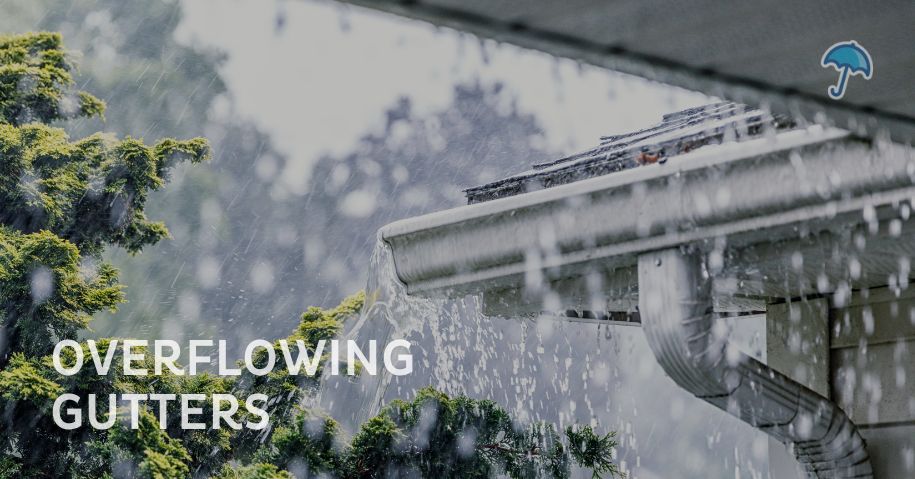
- Gutters or downspouts that fail to carry water far enough away
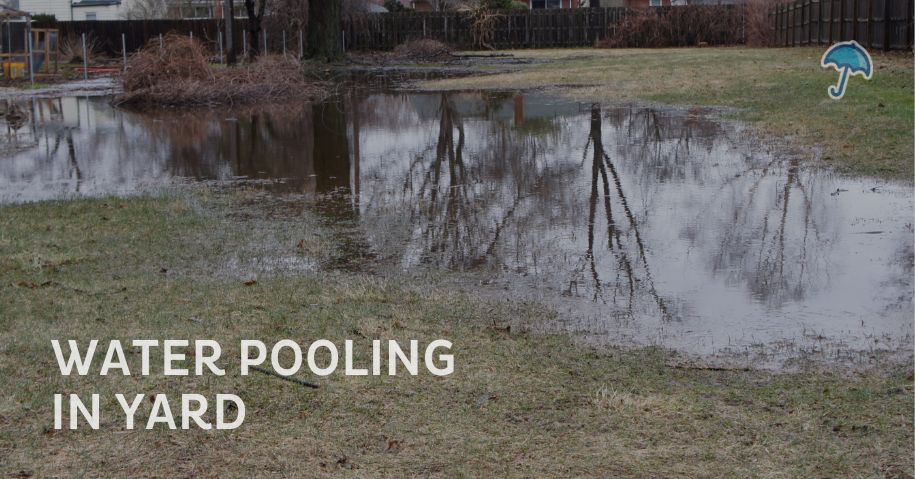
- Soil that slopes toward the building instead of away from it
- Ground that holds moisture after extended rainfall
Over time, these conditions lead to basement floor seepage, which is one of the most common causes of wet basement carpet in NJ homes and businesses.
Basement Humidity Issues and Condensation
Not every wet basement floor comes from groundwater. In many New Jersey properties, moisture actually forms inside the basement during warm, humid months.
This happens when:
- Humid air enters the basement
- That air cools as it contacts concrete surfaces
- Moisture settles into the carpet padding below
These basement humidity issues are especially noticeable in NJ during summer and often catch property owners near you by surprise.
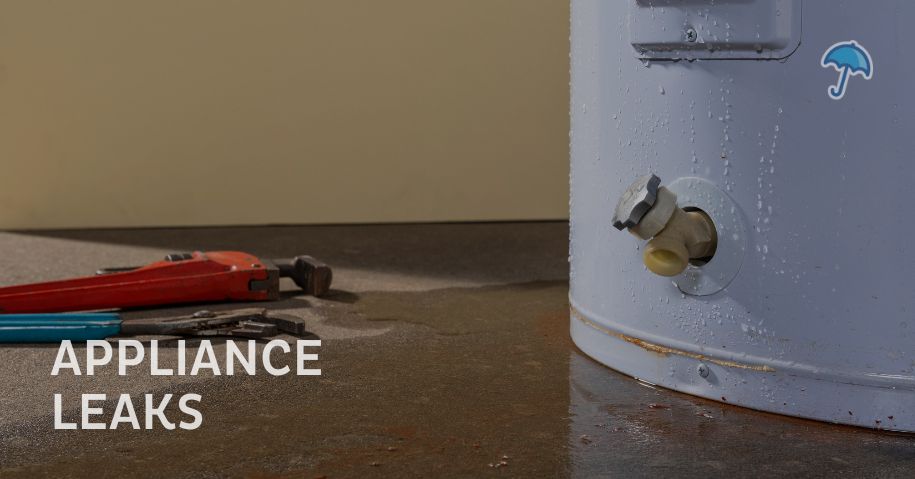
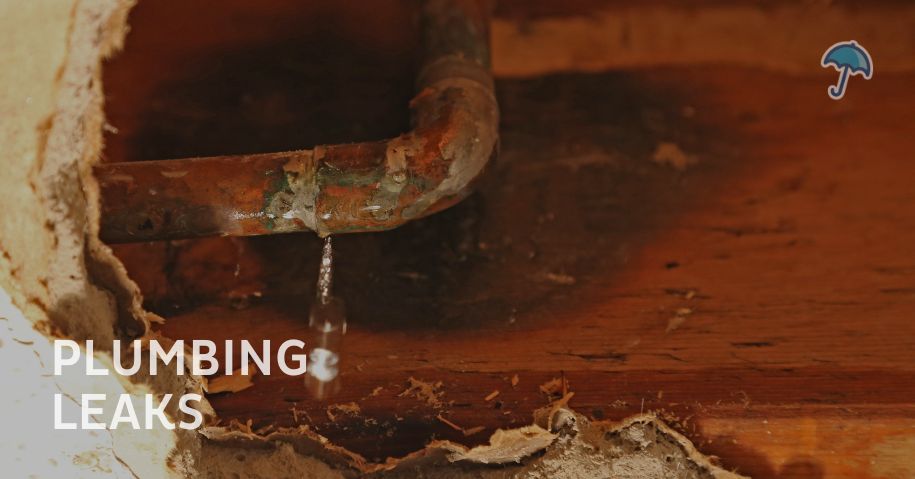
Plumbing Leaks, Appliance Leaks, and Sump Pump Failure
In some situations, the moisture has nothing to do with the foundation at all. Slow plumbing leaks can quietly soak carpet for days before anyone realizes what is happening.
Another frequent cause is sump pump failure, particularly during heavy rain when the system works hardest. When a pump cannot keep up or loses power, groundwater rises beneath the slab and spreads across the basement floor.
Common sources include:
- Aging water heaters or washing machines and their hot and cold water supply lines
- Utility sinks and hidden supply lines
- Power interruptions or undersized sump systems
What To Do When Your Basement Carpet Gets Wet
When you discover wet basement carpet, your first instinct is usually to dry it as fast as possible. That is the right move, but it is essential to understand that this is only short-term damage control. For many New Jersey homeowners and business owners, wet carpet in basement spaces is one of the earliest signs of basement water intrusion.
Act Quickly
The first 24 hours after discovering damp basement carpet are critical. Fast action limits how much moisture spreads through the padding and into the wet basement floor below.
Focus on these steps right away:
- Remove furniture and stored items from wet areas
- Use fans and dehumidifiers to keep air moving across the carpet
- Extract standing water if possible
These steps show you how to dry wet basement carpet, but they do not prevent basement moisture issues from returning.
Watch for Mold
Mold grows where moisture is present, and controlling the source of that moisture is essential to prevent growth and protect indoor air quality, according to the EPA’s mold and moisture guide. Carpet padding is designed to hold air, which unfortunately also means it holds moisture. This is why wet basement carpet poses a high risk of mold in NJ properties.
Here is what homeowners and business owners near you should know:
- Padding can remain damp long after the surface feels dry
- Mold can begin growing within 24 to 48 hours
- Visible mold often means replacement is necessary
Don’t Assume the Problem Is Solved
Dry carpet does not always mean a dry basement. If your wet basement carpet returns after rain or you notice moisture again weeks later, the underlying basement moisture problem is still active. This is a common situation in New Jersey properties dealing with foundation seepage or basement humidity issues.
Why DIY Fixes Often Fall Short
Fans, dehumidifiers, and store-bought sealants can temporarily make the basement feel better, but they rarely address the root cause.
Here is why DIY approaches often fail in NJ homes and commercial buildings:
- Surface drying does not address groundwater or hydrostatic pressure in the basement
- Sealants cannot reliably stop foundation water seepage or basement wall cracks
- Repeated wet basement carpet after rain often points to a basement drainage system problem or sump pump failure
Permanent solutions require basement waterproofing that NJ property owners can rely on, not just drying the floor and hoping it stays dry.
How Blue Umbrella Waterproofing Can Help
When wet basement carpet keeps returning, it is a sign that drying alone is not enough. Professional basement waterproofing starts with understanding exactly where moisture is entering your property. That is why Blue Umbrella focuses on diagnosing basement moisture issues first, then building a tailored solution designed for the conditions common in New Jersey.
Professional Basement Inspection
A professional inspection is the foundation of every successful waterproofing project. During this process, Blue Umbrella identifies the source of moisture so homeowners and business owners are not left guessing.
Your basement moisture inspection includes:
- Identifying the true source of moisture
- Assessing foundation conditions, basement drainage system performance, and basement humidity issues
- Evaluating areas where foundation water seepage or basement floor seepage may be occurring
This eliminates guesswork and ensures your New Jersey basement waterproofing plan is based on evidence rather than assumptions.
Proven Basement Waterproofing Solutions
Once the cause of wet carpet in basement spaces is identified, Blue Umbrella designs a system tailored to your property. These solutions are not one-size-fits-all. They are built specifically to handle NJ soil, heavy rainfall, and groundwater conditions.
Your waterproofing plan may include:
- French basement drainage systems to redirect groundwater
- Sump pump installation and upgrades to prevent sump pump failure
- Foundation crack repair to seal basement wall cracks
- Crawl space and basement moisture control systems
- Long-term water management solutions for your entire foundation
These systems are designed for New Jersey homes and commercial buildings and are installed by a local waterproofing team near you who understands tri state area water conditions.
-

French Drain Trench Jackhammered -
5/8 Inch Weep Holes Drilled Along Perimeter -
French Drain Added to Perimeter Trench -
Sump Pump Installed in Sump Pump Basin -
Poly Drain then Concrete Added Over Stone -
Covered Interior Waterproofing System -
Exterior Drainage to the Street or Yard -
Basement Dehumidifier Installed


Can Wet Basement Carpet Be Saved?
Sometimes, wet basement carpet can be saved, especially if the water is clean and the problem is caught early. More often, the padding has absorbed moisture for too long, or mold has already begun to form, making replacement necessary.
Even when carpet is replaced, the long-term solution still requires professional basement waterproofing in New Jersey. Without addressing the underlying basement water intrusion, the same problem is likely to return.
Preventing Wet Basement Carpet in the Future
Once moisture has been removed, the focus should shift to prevention. This is where homeowners and business owners decide whether they want a short-term fix or lasting protection.
Effective prevention typically includes:
- Proper drainage and extended downspouts
- A reliable sump pump system
- Interior basement waterproofing to manage groundwater
- Managing basement humidity year-round
- Scheduling regular basement moisture inspections
The only reliable way to prevent wet basement carpet is to stop water from entering the basement in the first place.
Wet Basement Carpet FAQs
Why is my basement carpet wet even when it hasn’t rained?
High humidity and condensation, slow foundation seepage, plumbing leaks, and moisture trapped beneath carpet padding can all cause damp basement carpet, even during dry weather in NJ.
Can a wet basement carpet cause mold?
Yes. Carpet padding holds moisture, and mold can begin growing within 24 to 48 hours. This creates a serious risk to indoor air quality, which is why stopping moisture is more important than simply drying the surface.
Can wet basement carpet be saved, or does it need to be replaced?
It depends on how long the carpet has been wet, whether the water was clean or contaminated, how saturated the padding is, and whether mold is present.
Why does my basement carpet get wet after heavy rain?
Wet basement carpet after rain is usually caused by hydrostatic pressure forcing groundwater against the foundation. Drainage problems or sump pump failure often allow that water to enter, which is not normal and should be corrected.
How do I permanently stop my basement carpet from getting wet?
Interior waterproofing systems, sump pump solutions, foundation crack repair, and a professional basement moisture inspection are required for long-term moisture control and basement waterproofing near you.
Schedule a Free Basement Waterproofing Inspection in New Jersey
If you are asking yourself, “Why is my basement carpet wet?”, your property is already warning you that moisture is getting inside. Wet basement carpet is one of the earliest signs of basement water intrusion, and ignoring it only allows the damage to spread.
Blue Umbrella Waterproofing provides professional basement waterproofing in New Jersey for homeowners and business owners looking for real solutions. When you are ready to stop managing basement moisture issues, schedule your basement moisture inspection with a trusted basement waterproofing team near you.
50% OFF MATERIALS
$0 Down, 0 Payments, &
0% Interest for 12 Months!*


Subscribe to our newsletter for the latest tips, tools & news!
For more information about basement waterproofing services or to find out if Blue Umbrella serves your area, see our complete service area.


